
The continuous increase in energy costs has made energy management a critical issue for every modern building. Whether it is a commercial space, an industrial facility, or a modern residence, the need for control, savings, and optimization is no longer an option—it is a requirement.
At the same time, technology offers solutions that go far beyond traditional panels and simple automation. Systems that “learn” the building, adapt to its use, and silently reduce energy consumption without sacrificing comfort.
BMS and KNX systems are at the heart of this transition. This is not just a technological upgrade, but a strategic investment with measurable results.
In this article, we analyze how they work, where they are applied, and—most importantly—how they can significantly reduce a building’s energy costs through proper design and expertise.
What are smart buildings, and why are they the only way forward today
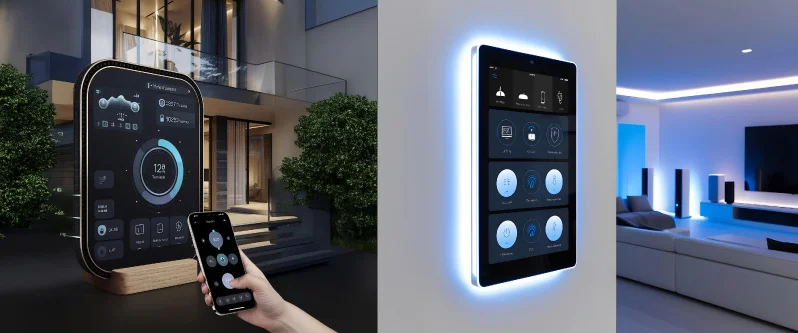
The complexity of its technology does not define a smart building, but by the way it uses it. It is a space where all the basic systems—lighting, air conditioning, heating, shading, and security—communicate with one another and operate in a coordinated manner.
But why are we talking about a one-way street?
Because modern buildings are required to meet multiple demands simultaneously:
- stricter energy standards
- increased operating costs
- the need for comfort and flexibility
- sustainability and environmental responsibility
Without automation, managing these parameters becomes fragmented and often ineffective. With smart systems, however, the building acquires “logic.” It reacts to use, anticipates needs, and limits energy waste before it even becomes apparent.
Read also: Wi-Fi networks: How to ensure a stable connection in large spaces
What are BMS & KNX systems
BMS and KNX systems are the backbone of modern smart buildings. Although different in philosophy, they complement each other and can be combined into integrated solutions, especially in hotel equipment, where automation is not only about energy savings but also about the hospitality experience.
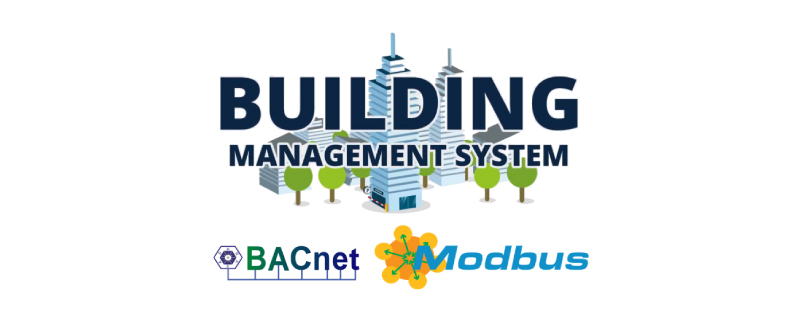
BMS (Building Management System): Central control and management
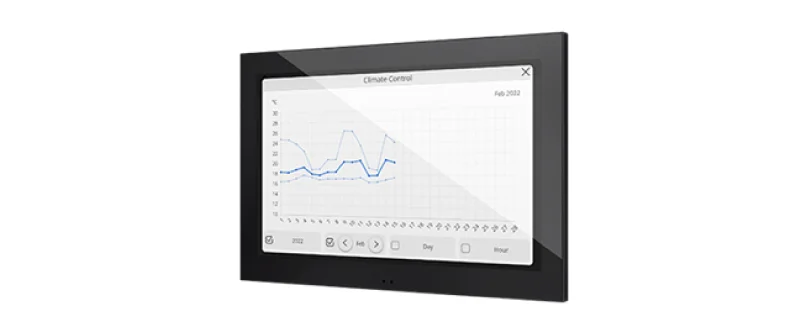
The BMS is the “control center” of a building. It collects data from all critical systems and presents it on a single management platform.
With a BMS, you can:
- monitor energy consumption in real time
- identify deviations and inefficiencies
- automate operating scenarios
- intervene immediately when necessary
The great advantage of BMS is visibility. When you know where and when energy is being consumed, you can make informed decisions rather than simple estimates.
KNX: The international standard for building automation
KNX is an international, open standard for building automation and is used worldwide in thousands of projects. Its philosophy is based on decentralized operation and flexibility.
With KNX, you can:
- interconnect different systems
- create scenarios tailored to the use of each space
- expand the installation in the future without radical changes
The reliability and long-term support of KNX make it the ideal choice for projects with increased requirements and a long service life.
How BMS & KNX systems reduce energy costs
The true value of automation is evident in everyday operations. Where small decisions, repeated hundreds of times, lead to significant savings.
You may be interested in: Fire detection: What it is and how it protects your space
Smart lighting management

Lighting is one of the most frequently underestimated loads. With automation:
- lighting is activated only when someone is present
- it adjusts according to natural light
- it turns off automatically in unused areas
The result? Reduced consumption without any impact on the functionality of the space.
Heating & air conditioning optimization
Heating and air conditioning account for the largest share of energy consumption in many buildings. With BMS and KNX:
- spaces are divided into zones
- temperatures are adjusted based on actual usage
- unnecessary operation outside of working hours is avoided
This means that energy is consumed where it is needed — and only when it is needed.
Control of energy-intensive loads
Thanks to automation, energy-intensive loads no longer operate uncontrollably. They are scheduled, prioritized, and activated based on priorities.
This means:
- avoidance of consumption peaks
- better load distribution
- lower overall energy footprint
Read also: IPTV: The new era in television for hotels, Airbnb, and professional spaces
Real benefits for businesses and individuals
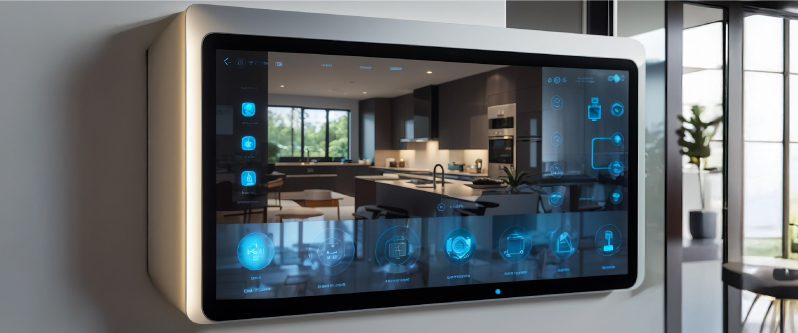
Energy savings are just the beginning. The benefits extend to multiple levels.
- Reduced energy bills: The immediate and measurable reduction in operating costs is the main incentive for professionals and organizations.
- Increased comfort and ease of use: Spaces automatically adapt to their users. No manual interventions, no complicated procedures.
- Better control and immediate information: Access to data and reports allows for continuous optimization and preventive maintenance.
- Increased property value: A building with modern automation systems gains added value, both commercially and functionally.
Why proper design and installation are crucial

Automation technology alone is not enough to ensure a building’s efficiency. A BMS or KNX system that is not properly designed may have limited functionality, increased complexity in use, and lower energy efficiency than expected. For this reason, proper design is the foundation of any successful installation, as it determines how the system will function in the day-to-day operation of the building.
A comprehensive approach takes into account the use of space, the actual needs of users, the possibility of future expansion, and the compatibility of all subsystems. When these elements are properly integrated from the outset, BMS and KNX systems can work in coordination, significantly reducing energy costs and delivering long-term benefits.
MSS Electronics’ expertise in building automation
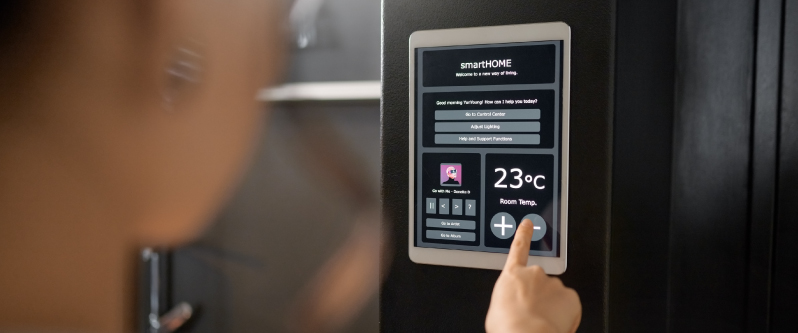
MSS Electronics has many years of experience in the design and implementation of building automation systems, offering solutions based on a deep understanding of technology and the real needs of each project. Each installation is treated as a single, integrated system, with the aim of achieving optimal operation, energy efficiency, and long-term reliability, regardless of the type or complexity of the space.
Our approach starts with the right technical study and continues with the selection and implementation of reliable BMS and KNX solutions, designed to integrate harmoniously with the rest of the building’s infrastructure. At the same time, MSS Electronics undertakes the design and implementation of critical technological systems, such as fire detection, CCTV, and modern audio systems, ensuring a unified architecture, smooth cooperation of all applications, and reliable operation over time.
Our goal is to create smart buildings that operate efficiently, significantly reduce energy costs, and meet modern requirements for safety, comfort, and sustainability.