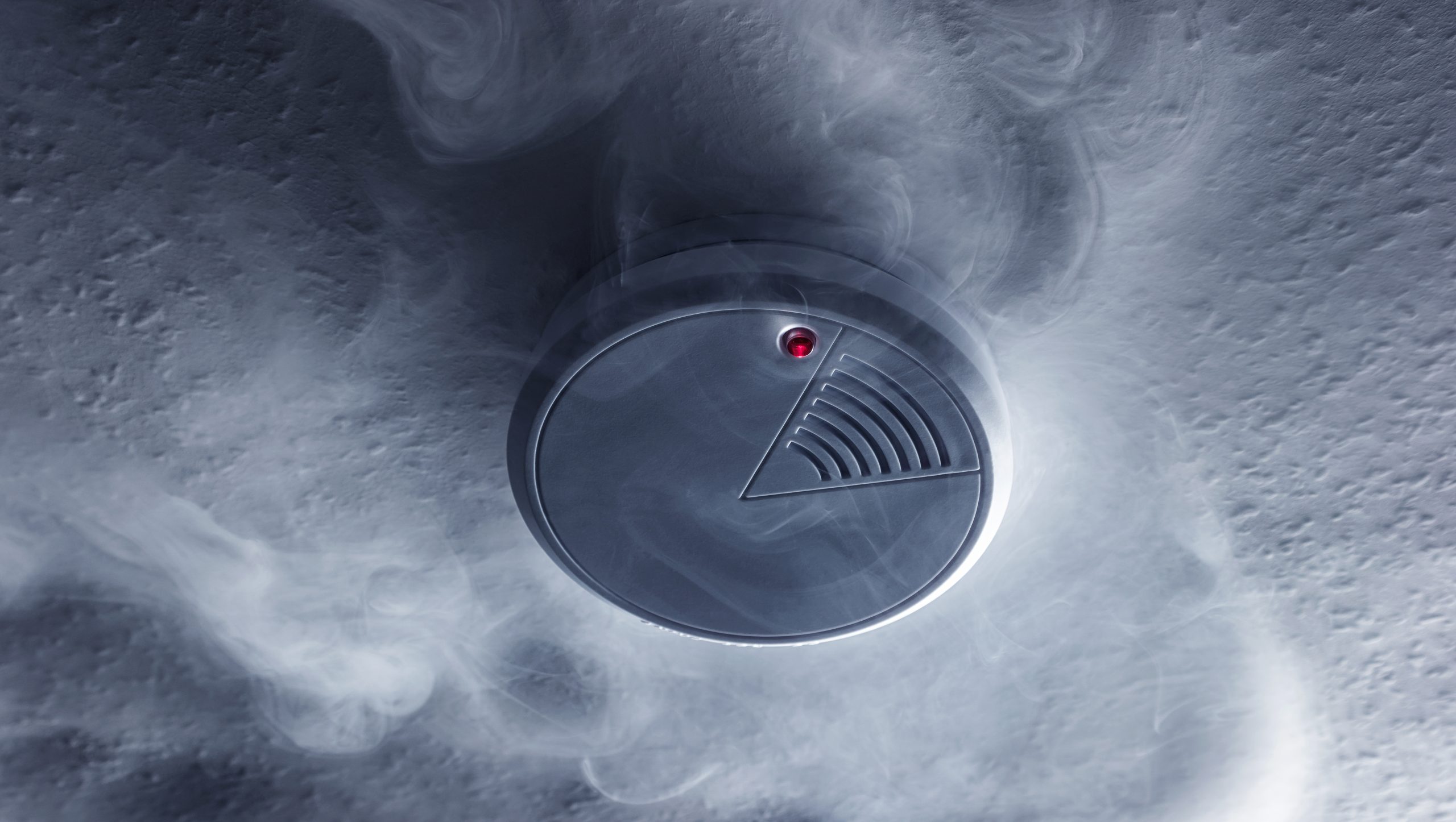

Can a system save lives and property? The answer is yes. Fire detection is the first and most important step in preventing and responding to a fire—a system we don’t see, but one that can make all the difference when it matters most.
In homes and businesses, hotels, Airbnb, or industrial facilities, a reliable fire detection system is not just required by law—it is a sign of responsibility and respect for human life.
With proper design, installation, and maintenance, these systems ensure immediate detection of smoke or heat, timely notification of those present, and connection to automatic fire extinguishing systems.
Below, we will examine everything you need to know to select the appropriate system and ensure the complete protection of your space.
What is fire detection and what does it involve?
Fire detection is the set of technical measures and devices designed to detect smoke, heat, or flames in a timely manner before the fire spreads. The system automatically alerts people in the area and activates alarm or fire extinguishing systems.
A complete fire detection system includes:
- Optical (smoke), thermal (heat), dual-energy, and gas (LPG & CNG) detectors
- The control panel, which collects and processes signals
- Sirens and visual indicators
- Manual activation buttons
- Optionally, connection to a fire department or monitoring center
Smoke detectors operate on the basis of optical (photoelectric) or ionization technologies, while heat detectors are activated when the temperature exceeds a warning threshold (usually 55°C – 70°C).
The most advanced detectors combine both technologies, offering high accuracy and reducing false alarms. Installing such a system ensures immediate warning, preventing injuries and property damage, while also contributing to your business’s legal compliance.
How does a fire detection system work?
The fire detection function is based on a detection-alert-response cycle.
Detectors identify changes in the environment, such as:
- increase in temperature
- presence of smoke or carbon monoxide,
- or flame.
When a potential incident is detected, the system:
- Activates sirens and flashing lights to immediately alert those present.
- Sends a signal to the control panel, which records and locates the incident.
- If connected to other security or firefighting systems, it can automatically activate the fire extinguishing system or notify the fire department.
Fire detection panels can be analog or digital, with built-in backup batteries so they can continue to operate even in the event of a power failure.
In commercial facilities, the systems can be connected to KNX and BMS (Building Management System) for central management of all building security functions.
Modern systems also offer remote monitoring, allowing managers to check the status of the premises from anywhere, 24/7.

What is the applicable legislation for fire detection
Greek legislation on fire detection clearly specifies the areas where it is mandatory.
According to Presidential Decree 41/2018 and European standards EN54, fire detection systems must be installed in:
- Hotels and tourist accommodation
- Airbnb and rented rooms
- Shops and company offices
- Warehouses, industries, and factories
- Parking lots and basements
- Hospitals and public services
In addition, the law requires annual inspection and maintenance by a certified technician, as well as the keeping of an inspection log, where system inspections and tests are recorded.
Types of fire detection systems
Fire detection and fire safety systems are divided into two basic categories: addressable (point) and conventional. Each type serves different needs, depending on the use and size of the building.
Addressable fire detection
Addressable fire detection is the most technologically advanced option. In this system, each detector has a unique address, allowing the control panel to pinpoint the exact location of the problem in the building.
Advantages:
- Immediate location of the source of the fire
- Easy expansion or upgrade of the system
- Simplified maintenance
- Ideal for hotels, industries, hospitals, and large facilities
MSS Electronics collaborates with Inim, Teletek, Fireclass, and others, offering modern addressable solutions that can be connected to firefighting panels and CCTV systems.
Conventional fire detection
Conventional fire detection is the most economical and simple solution. Each group of detectors (zone) corresponds to a section of the building (e.g., a floor, a room, etc.). When a detector is activated, the panel shows the zone of the event, without specifying the exact location.
Advantages:
- Low installation and maintenance costs
- Easy to use and simple layout
- Ideal for small spaces, such as shops or offices
MSS Electronics offers reliable conventional fire detection solutions from leading manufacturers such as Teletek, Fireclass, Inim, and others, with all the necessary certifications and ease of maintenance.

Where detectors and alarms are placed
The placement of detectors is a critical step for the proper functioning of a fire detection system and must always be carried out in accordance with European standards EN54, taking into account the configuration and specific characteristics of each space.
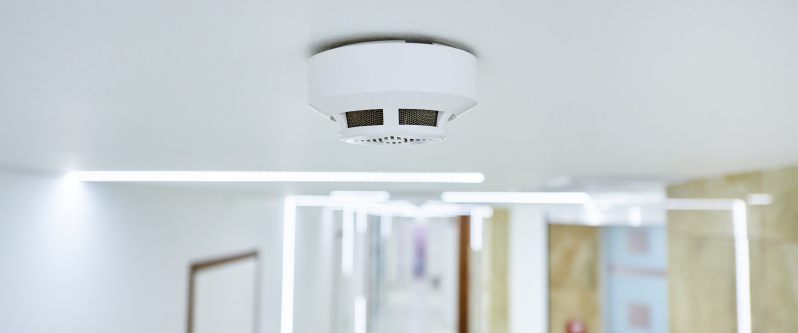
Detectors are usually placed on the ceiling, as this is where smoke accumulates and can be detected most quickly. At the same time, it is important to have coverage points in corridors, bedrooms, and areas where electrical panels or equipment that may cause overheating are located.
It is recommended to avoid installing detectors near air vents or air conditioning units, as air circulation can distort measurements and delay smoke detection.
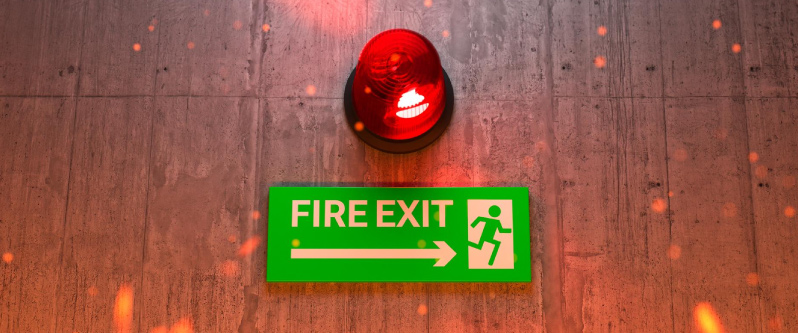
Finally, sirens and light indicators should be placed in visible and accessible locations so that they are easily noticeable even in noisy or low-visibility conditions, ensuring that everyone present is immediately alerted.
How to choose the right fire detection system
The choice of system depends on:
- The size and layout of the space
- The use (residential, business, hotel, industrial)
- The number of users
- Specific safety requirements
A small office can be covered by a conventional system, while a large hotel needs an addressable system for precise control and ease of management. Before making a choice, it is essential to have the space studied by a specialist technician so that a system tailored to your needs can be designed.
MSS Electronics has many years of experience and expertise in fire detection and fire protection systems. In collaboration with leading companies such as Teletek, Inim, Dahua, Hikvision, Fireclass, and other partners, it offers certified products and complete solutions for any professional or private space.
By choosing MSS Electronics, you ensure reliability and 24/7 protection for your space. Our team constantly monitors technological developments and conducts ongoing market research to always offer innovative and efficient solutions that meet the highest security requirements. Contact us today to design the ideal fire detection system that will effectively protect your space